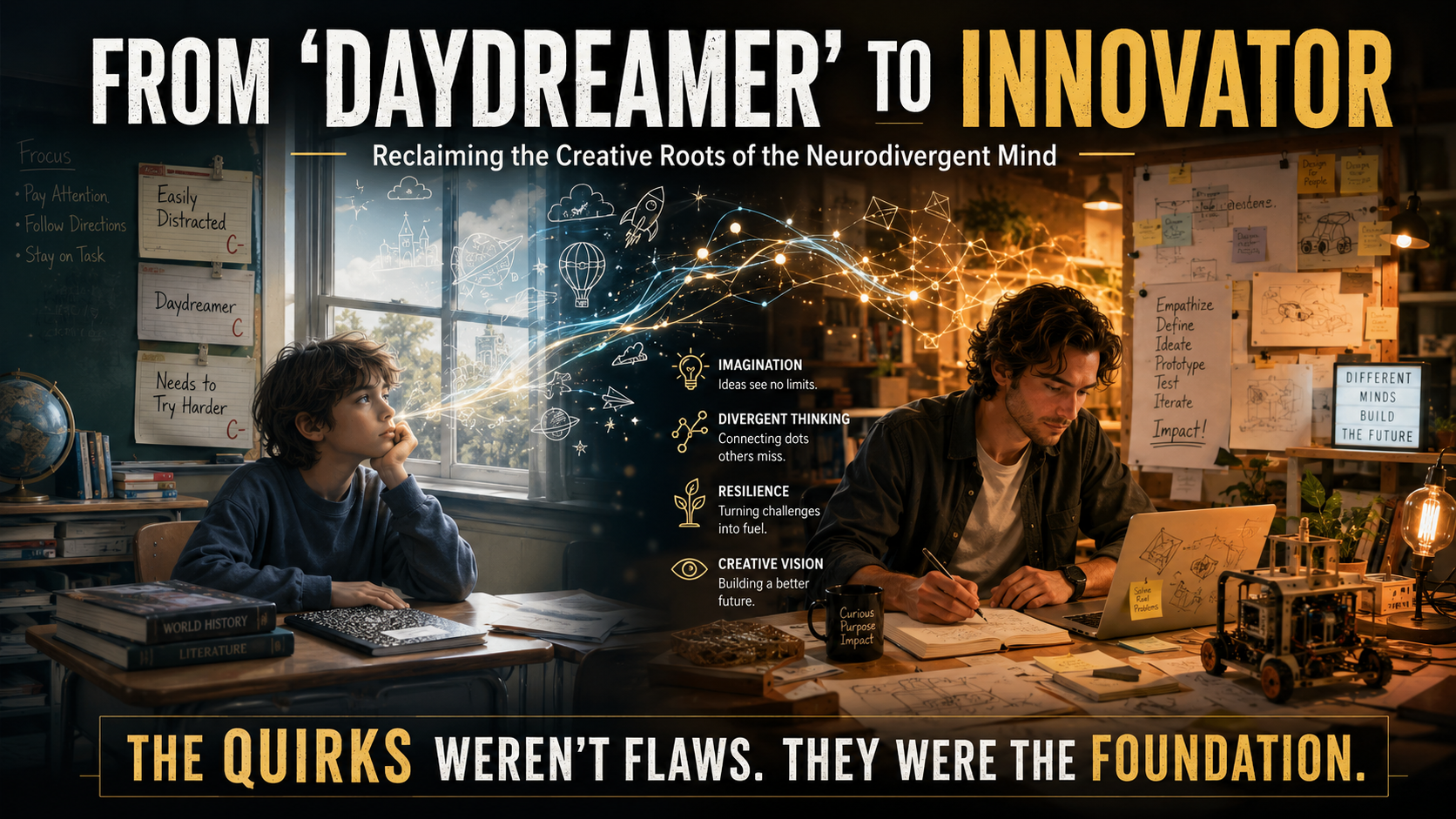
If you went to school in the 1980s, 90s, or even the early 2000s, the classroom was a place of rigid standardization. Success was measured by how long you could sit still, how quietly you could look at a blackboard, and how perfectly you could replicate standardized spelling and math formulas.
If your brain didn’t fit that specific mold, the system gave you a label.
Thousands of adults who are nearly 40 today spent their childhoods reading the exact same feedback on their school reports: “Easily distracted.” “Disruptive influence.” “A chronic daydreamer who needs to try harder.”
For decades, these traits were treated as behavioral flaws or cognitive deficits. But as we look at the landscape of modern innovation, design, and entrepreneurship, a beautiful and glaring truth has emerged: the education system has it completely backward. Those daydreams weren’t a waste of time – they were the birthplace of imagination.
The Cognitive Architecture of the “Window Gazer”
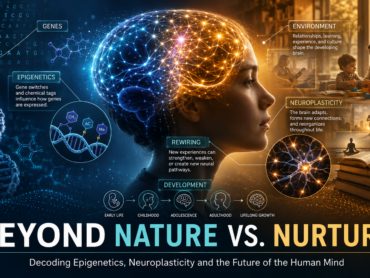
When a child stares out of a classroom window instead of copying down a whiteboard sentence, their brain isn’t turned off. In fact, neuroscientific imaging shows that during moments of “daydreaming,” the brain’s Default Mode Network (DMN) lights up like a Christmas tree.
The DMN is the exact neural network responsible for creative problem-solving, empathy, autobiographical memory, and deep imagination. While the school system was busy trying to force every child into a linear, task-focused box, the neurodivergent minds—the dyslexics, the ADHDers, the kids with speech differences—were busy building alternative cognitive superhighways.
-
The “Daydreamer” was developing the capacity for intense creative visualization and conceptual thought.
-
The “Disruptive” child was often a divergent thinker, questioning flawed logic or boundaries rather than blindly accepting them.
-
The child who “needed to try harder” was actually exerting triple the cognitive energy of their peers just to translate a world that wasn’t built for their processing style, developing unparalleled resilience along the way.
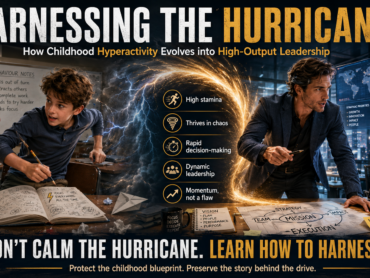
When these children grow up, these exact “flaws” mutate into highly sought-after adult superpowers. The daydreamer becomes the visionary founder; the disruptive kid becomes the industry disruptor; the dyslexic thinker becomes the master strategist who sees patterns others miss.
The Danger of Selective Amnesia
The problem is that society loves to celebrate the successful adult innovator while simultaneously pathologizing the child who thinks exactly like them. We praise the imagination of the entrepreneur, but we forget the raw, messy, and often difficult childhood journey that wired that brain.
This is why re-evaluating our childhood histories matters so deeply. If we look back at our early struggles with shame, or if we allow the system to treat our early educational records as useless compliance paperwork to be shredded, we lose our origin story.
Your early speech therapy referrals, your childhood dyslexia assessments, and even those frustrating teacher notes aren’t evidence of a broken mind. They are the initial blueprints of how your unique imagination fought to express itself. They show the exact moment your brain started adapting, inventing, and rewiring itself to navigate a world that didn’t understand it.
Why EdiWay Honors the Whole Journey
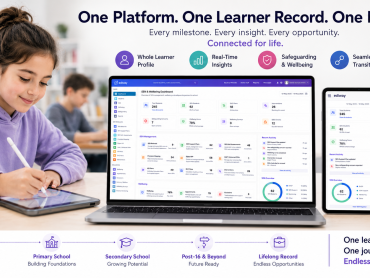
At EdiWay, our philosophy goes far beyond simple document tracking. We believe that true self-ownership means owning your whole cognitive story – from the very first spark of imagination.
By creating a platform where parents can safely store a child’s early developmental milestones, assessments, and creative histories, we are protecting more than just data. We are safeguarding the record of their unique cognitive style.
We want to ensure that thirty years from now, when today’s “daydreamers” are leading industries, inventing new technologies, and changing the world with their imagination, they will have a permanent, unbroken record of exactly where their genius began. The quirks aren’t flaws; they are the foundation. And at EdiWay, we believe the foundation is worth keeping.